


- This event has passed.
Timely Support for Immigrant Families & Children: Philanthropy Striving to Meet the Moment

“So what does it look like for philanthropy, which has so much privilege, to be able to stand in solidarity with movement partners, with communities? Funders wait for a rainy day — and it’s pouring out right now. Now is the time to be contributing and funding support for immigrant children and families. Use your privilege and use your voice…and stand strong and speak out against the harmful approaches that are leading to the backsliding of our democracy and that can have repercussions for not just our children, but our grandchildren….This is not a marathon. It’s not a sprint. This is a relay race. We are building toward a better future, not just for ourselves, but to be good ancestors to our descendants and to leave a better world for the children that will continue beyond us.”
– Ivy O. Suriyopas, Grantmakers Concerned with Immigrants and Refugees
In this Funder-to-Funder Conversation, Ivy Suriyopas of Grantmakers Concerned with Immigrants and Refugees (GCIR) offered the above passionate call to action in closing to an engaging conversation about the experiences of immigrant children and families in the current policy environment and the ways in which funders are joining together to support them.
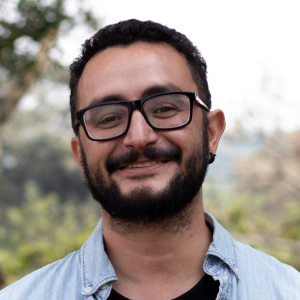
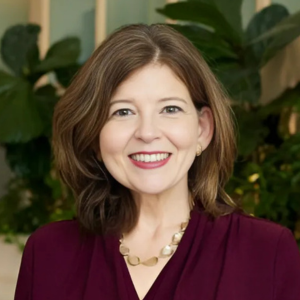
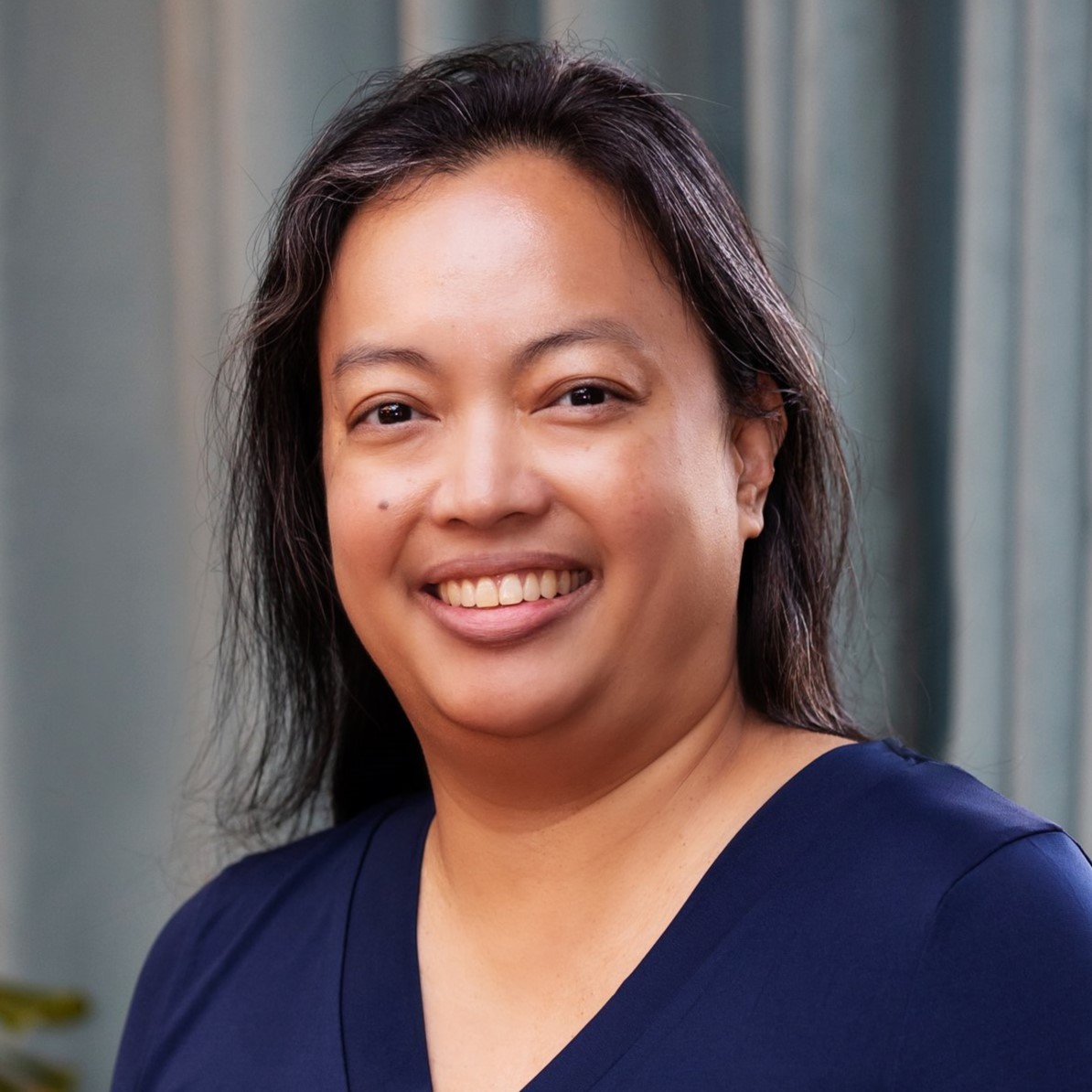
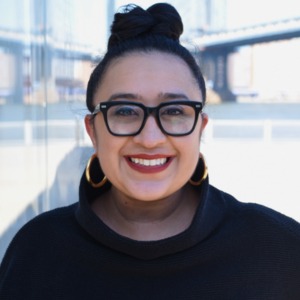
The session was co-sponsored by Hispanics in Philanthropy (HIP), a transnational network of grantmakers dedicated to strengthening Latine leadership and influences and mobilizing philanthropic resources in Latine communities. HIP’s Jazmín Chávez moderated the discussion that featured Rodrigo Barraza of Global Fund for Children, Shannon Rudisill of Early Childhood Funders Collaborative, and Ivy Suriyopas of GCIR.
Rudisill and Suriyopas shared how their organizations joined together with other funders this year to launch the 1 in 4 Project. The project supports the 1 in 4 children living in the United States who are part of immigrant families, advancing policy advocacy and litigation, narrative building, and research and data collection to support action at the federal, state, and local levels.
“We wanted everyone to understand how many children in the United States are living in immigrant or mixed-status families. Most of them are U.S. citizens. We wanted everybody to think about the populations that they are serving in the communities where they are funding and realize that these kids are in their portfolios already, that they’re in the communities where they’re serving, and that some special attention needed to be paid to support them.”
– Shannon Rudisill, Early Childhood Funders Collaborative
The panelists discussed how the current immigration policy environment is causing trauma for immigrant children and their families and communities, highlighting some of the ways that funders are promoting trauma-informed responses. Barraza noted many of the traumas are “collective traumas” that challenge children’s sense of belonging, language, and cultural identity, and therefore require collective responses such as healing circles to help children build a sense of community where they can recover together.
Rudisill shared several examples of efforts being advanced by the funders in the ECFC network, including trauma-informed programs for new mothers and their babies and legal service programs to help families prepare for possible separation. She also noted how several funders had been taking proactive action to strengthen the systems serving immigrant populations, including investments in New Jersey to support dual language learners and to build a stronger pipeline of Latine early learning educators.
“Please be brave. Be bold. Please don’t shy away from the conversation. Don’t give in to fear. I think right now it’s our opportunity to stand on the right side of history and keep fighting and keep pushing and keep looking for ways to connect and to keep building these diverse communities.”
– Rodrigo Barraza, Global Fund for Children
If you were able to attend the session, we would love to hear your feedback! We appreciate your help in filling out the following form as we seek to learn and understand the perspectives, ideas, critiques and recommendations that better inform our key audiences.
Panel
Details
- Date:
- May 20, 2025
- Time:
-
12:30 pm - 2:00 pm
- Event Categories:
- Funder-to-Funder Conversation, Health, Parents, Past Event
