


- This event has passed.
Still Ready To Learn: Philanthropic Support for High-Quality Children’s Media

I can’t help but think about…a statue of Fred Rogers that stands as a constant reminder to Pittsburgh but also to America to, as [Rogers] said, ‘Think of the kids first.’ That’s what those of us here need to do. That’s what we need to ask of ourselves and of our neighbors, and it’s what we need to ask of our elected officials. And if we think of the kids first and what American kids want, need, and deserve, we will remember that part of the richness of their childhood and the learning and connections with the adults in their lives comes from places like ‘Elinor Wonders Why’ and ‘Daniel Tiger’ and ‘Carl the Collector’ and everything that PBS KIDS does.
- Gregg Behr, The Grable Foundation
In the June 17, 2025 Funder-to-Funder Conversation, Gregg Behr of The Grable Foundation offered the above reminder and call to action as he closed an inspiring and informative conversation about PBS KIDS content and the powerful nationwide network of PBS member stations that reach and support children and families in communities large and small.
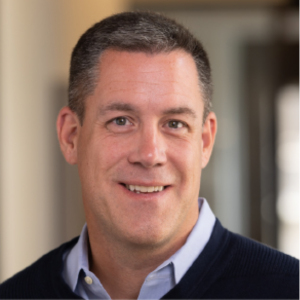
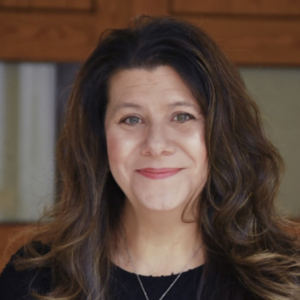
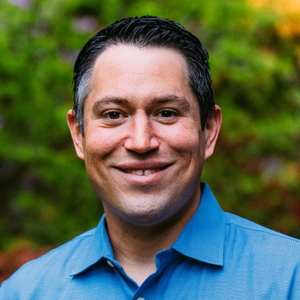
Dan Torres of the Bezos Family Foundation moderated the discussion that also featured PBS leaders, including Sara DeWitt of PBS KIDS, Gina Masciola of WQED in Pittsburgh, Pennsylvania, and Jamie Annunzio Myers of PBS SoCal in California. The panelists discussed how the PBS network and resources support children’s learning and development and the threats posed by the termination of $23 million in Ready To Learn grants and other proposed federal funding cuts.
DeWitt opened the conversation by providing an overview of PBS KIDS programming and resources and the rigorous and research-based approach used to develop that educational and engaging content. She highlighted research demonstrating how that content promotes children’s learning and social-emotional development and their preparedness to succeed in school. DeWitt then explained some of the immediate and long-range effects of federal funding cuts, noting that many member stations were forced to cancel summer camps and curtail services. The impact will be felt most by smaller stations in rural areas that rely on federal funding for a much larger portion of their budgets.
For over 50 years, PBS has been the go-to destination for high-quality children’s content and what’s really important is that it’s available for free to young viewers and their families across the country. We know that we are the number one educational brand for kids, and we have a very rigorous and research-based approach to developing content.
- Sara DeWitt, PBS KIDS
A robust panel discussion followed as Behr described how WQED is a major asset to the educational landscape across the region, bringing trusted PBS content into schools and out-of-school time programs, libraries, community events, and homes. Masciola noted that all PBS member stations, including WQED, conduct community strength and needs assessments with local partner organizations to inform program development.
Myers explained how PBS SoCal had utilized Ready To Learn funding to develop Family Math, a research-based, multi-platform, bilingual program that builds young children’s knowledge of foundational math skills while boosting their confidence and positivity in the subject, adding that the program also resulted in significant growth in parents positivity in math. Underscoring the power of the nationwide PBS network and the cross-fertilization it enables, the panelists discussed how member stations across the country — including WQED — have brought Family Math to their communities and are now seeing similar gains. Similarly, WUCF, a PBS station in Florida developed Meet the Helpers in the wake of the Pulse nightclub shooting. Other PBS stations are now using that content to introduce children to community helpers and practice emergency preparedness for a wide range of disasters including storms and shootings.
That’s one of the most powerful parts of the system that we are a part of. People are creating high-quality content for a need they identify in their own community. For us in LA, it was math, and we researched that and built this content. But in other communities, they saw other needs. Then, we are able to share those resources in ways that don’t require duplication of efforts….We’re leveraging this system that we’re a part of and are, therefore, stronger in meeting the needs of children and families because we are all working together.
- Jamie Annunzio Myers, PBS SoCal
Having discussed the incredible return on investment of the federal funding for PBS KIDS, the panelists then turned to a deeper focus on the impact of the cuts. They highlighted actions that supporters of PBS could take to prevent the proposed claw back of two years of PBS funding and to advocate for future investments and the reinstitution of the Ready To Learn grants at the U.S. Department of Education. Acknowledging that philanthropy cannot fill the gaps left by federal cuts, Behr encouraged funders to provide general operating support to local PBS stations, support media makers that produce content for PBS, and embrace “more than money philanthropy” approaches — including reaching out to other funders, communicating the importance and impact of PBS programming, and convening partners and advocates to call for federal funding.
In Pittsburgh, we are figuring out how to collaborate around funding opportunities. We know that other organizations working in art, music, and education are being impacted, and WQED sits at the intersection of many of those things that are in jeopardy right now. We are figuring out how we can collaborate with those other organizations to support each other rather than submitting competitive proposals to potential funders. That is one way we are hoping to support the work that’s happening in Pittsburgh to continue serving children, families, and other community partners.
- Gina Masciola, WQED
The panelists encouraged PBS supporters to visit protectmypublicmedia.org to learn about concrete ways to take action.
Panel


Details
- Date:
- June 17, 2025
- Time:
-
12:30 pm - 2:00 pm
- Event Categories:
- Funder-to-Funder Conversation, Parents, Readiness, Upcoming Event
