- This event has passed.
The Science of Reading, Part 2: Applying the Science in the Classroom
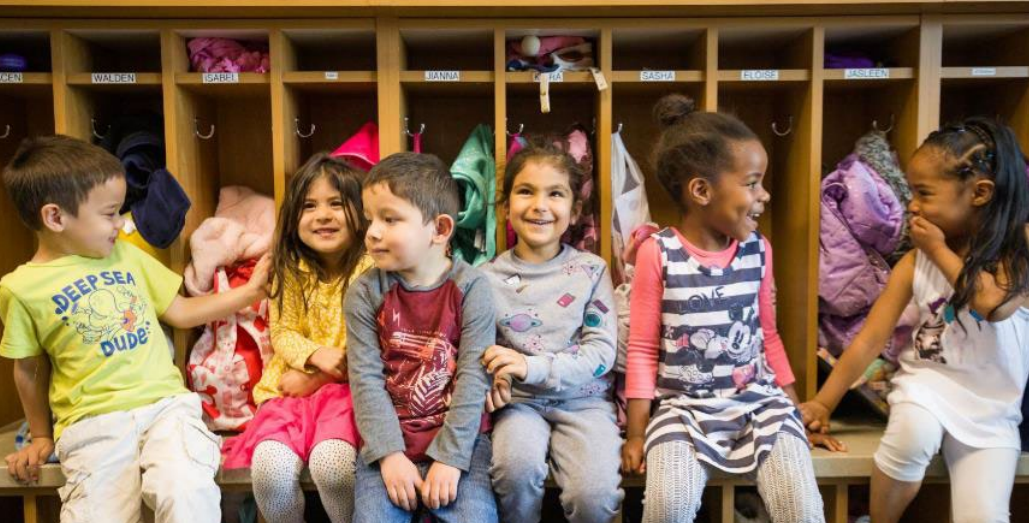
In this May 19, 2020 GLR Learning Tuesdays webinar, Munro Richardson, Ph.D., of Read Charlotte returned to moderate a second conversation exploring the science of how children learn to read, focusing on how that science can be applied in the classroom. With schools across the country closed for months in response to COVID-19, he called on those in the GLR network to pay attention to the science and embrace the most effective practices as we work to help children recover from learning loss.
Sarah Siegal, Ph,D., of Learning Ovations provided an overview of the science of reading and the various skills that must be developed to achieve reading proficiency. She also presented research on how child development affects student growth in literacy skills. Throughout her presentation, Siegal stressed the fact that different children need different things to be successful in learning to read. She explained how Learning Ovations’ A2i Professional Support System helps teachers assess children’s literacy skills and understand how to individualize instruction to strengthen those skills. She also discussed how both systems-level and teacher-level supports can promote the application of evidence-based best practices in the classroom.
Faith Ann Butcher of United Way of Westchester and Putnam (UWWP) and Todd Hanson of the Orange County Community Foundation explained how they have been investing in the application of the A2i Professional Support System in local school districts. Butcher described how UWWP is also supporting literacy outside the classroom with programs focused on school readiness, chronic absenteeism, summer learning loss, successful parents and the health determinants of early school success. Hanson provided an overview of the OC Reads campaign and how it is focusing its efforts on the communities with the lowest rates of kindergarten readiness. Both shared some of the results they have seen recently in student achievement.
Angela Rutherford, Ph.D., of the University of Mississippi’s Center for Excellence in Literacy Instruction outlined the steps that state leaders have taken to promote science-based literacy instruction statewide. Since the spring of 2014, more than 15,000 educators have received Language Essentials for Teachers of Reading and Spelling (LETRS) Training. They have also placed literacy coaches in many schools to support teachers in applying the science of reading in their classroom instruction. As a result of these statewide efforts, they have seen measurable increases in educator content knowledge and changes in classroom practices, resulting in a significant boost in the state’s National Assessment of Educational Progress (NAEP) fourth-grade reading scores since 2011.
Panel




Details
- Date:
- May 19, 2020
- Time:
-
3:00 pm - 4:30 pm
- Event Category:
- Past Event