- This event has passed.
Designing for Connection: How Technology Can Power Learning in Homes and Communities
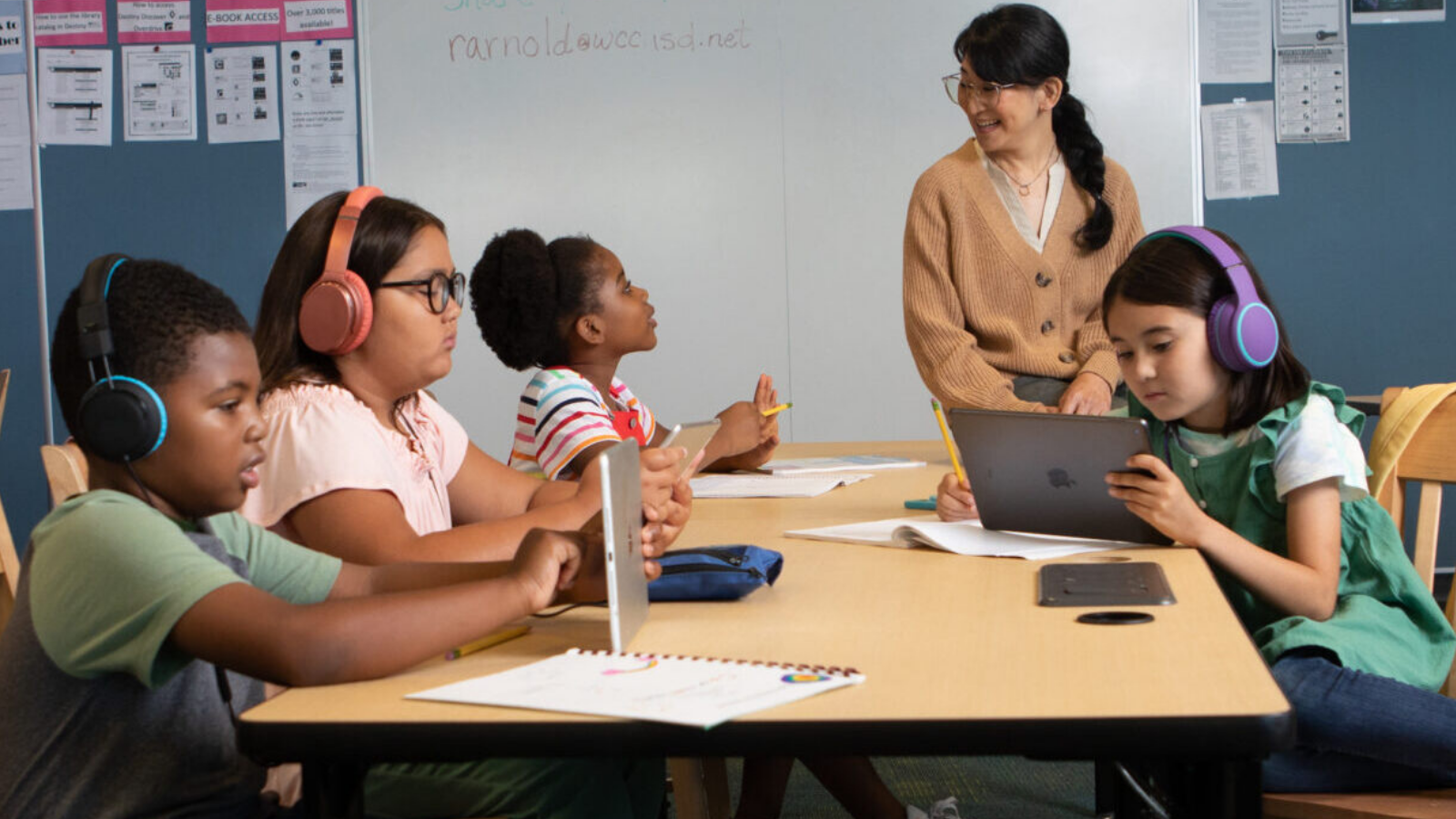
In the July 8, 2025 GLR Learning Tuesdays session, the third in our Technology-Enhanced Teaching and Learning Institute, Gabe Hakim of Promise Venture Studio moderated a discussion centered on a timely and urgent question: In a moment of deep strain on families with young children, how can technology be harnessed to support — not supplant — the relationships and ecosystems that help children thrive? The session featured two panel discussions with a powerful lineup of social entrepreneurs and leaders who are designing technology with, not for, families.
Families Under Pressure, Systems Under Strain
- 40% of families with young children are experiencing material hardship.
- 75% of caregivers say they can’t make ends meet.
- Cuts to programs like Head Start, Medicaid, and SNAP further compound stress in the early childhood ecosystem.
- In this environment, families need supports that reduce burden, affirm identity, and build connection — not tools that add complexity or shame.
Tech Tools Designed to Meet Families Where They Are
The first panel discussion featured Mel Faxon of Mirza; Sam Gardner of Happypillar; and Temis Laguna of Literacy Partners and highlighted tools and platforms that support family well-being and help parents build the confidence, capacity, and bandwidth to engage in their children’s learning. They discussed how these innovations go beyond content delivery — they help create the conditions for learning to thrive in the home. These leaders aren’t building apps or tools in isolation — they are building trust, restoring dignity, and responding to families’ lived realities.
Tech Tools Strengthening the Ecosystem of Connection
The second panel discussion featured Rex Duval of Nookly; Alejandro Gibes de Gac of Springboard Collaborative and Paloma; Heejae Lim of TalkingPoints; and Omo Moses of MathTalk and highlighted technologies that support communication, trust, and alignment between families and the broader network of educators and partners. In a time when continuity of learning and shared purpose are more important than ever, these tools help ensure families feel informed, empowered, and connected. Rather than treating families as passive recipients, each innovator viewed caregivers as capable, creative, and essential learning partners.
Technology Can’t Replace the Village — But It Can Help Support It
Across the two panel discussions, one powerful theme resonated: Technology is not the solution on its own — but when designed with proximity, empathy, and respect, it becomes a bridge to connection, equity, and joy. These leaders are rejecting one-size-fits-all tools and building solutions in deep partnership with families, rooted in lived experience. Their tools work to:
- Reduce shame and cognitive overload
- Reclaim time and restoring dignity
- Celebrate cultural identity and family strengths
- Bring learning, healing, and joy into everyday life
Importantly, each tool keeps humans — not algorithms — at the center. As Hakim stated, “Early childhood people know: We don’t need to replace the village. We need to support it.” Every solution highlighted was co-designed with families, for real-life use. The goal is not scale for scale’s sake — but scale that reflects coherence, joy, and proximity to what matters most: the child-caregiver relationship.
Panel








Details
- Date:
- July 8, 2025
- Time:
-
3:00 pm - 4:30 pm
- Event Category:
- Upcoming Event