- This event has passed.
Relationships Matter: Partnering with Families to Support Early Relational Health

Early relational health has emerged in recent years as a critical concept across systems for supporting families in the earliest years of a child’s life. Our panelists explored the model in depth and gave both practical examples and a vision for what it could look like if community services and structures embraced the science of early brain development and placed high value on supporting families’ relationships with young children ― especially families that have been historically marginalized. The pandemic has made clear the extensive inequities that exist across our country.
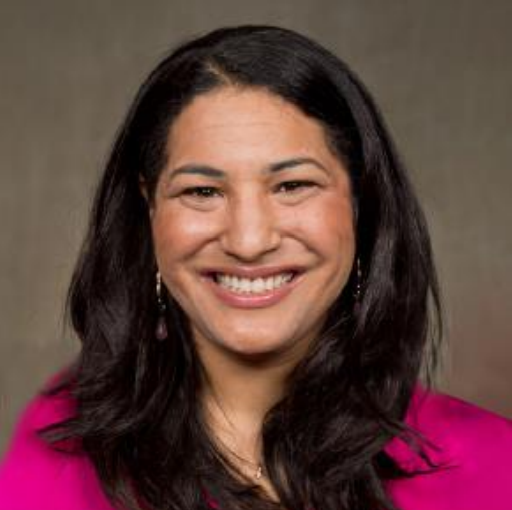
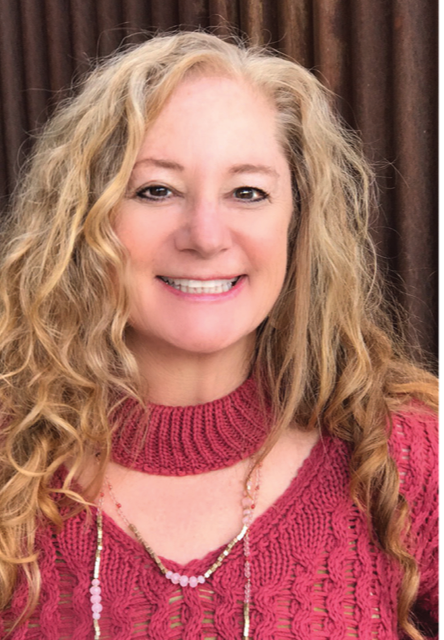
Becky Miles-Polka, Senior Consultant with the Campaign for Grade-Level Reading, moderated a panel of national experts in early child development and the systems that serve and support families.
- Dr. David Willis, a Senior Fellow with the Center for the Study of Social Policy, leads a national initiative to advance early relational health for child health and communities. A developmental-behavioral pediatrician, he is a thought leader in home visiting and early childhood systems. Dr. Willis provided some background information on the importance of foundational relationships, which are essential for brain development, health promotion and prevention efforts in child health care and early childhood communities. He shared how early relational health is about changing the mindsets of the providers in systems that serve young children. Listening to families and communities requires an “all in” approach as a means to support resilience and well-being.
- Dr. Dayna Long is a primary care pediatrician at University of California – San Francisco Benioff Children’s Hospital in Oakland where she serves as the Director of the Center for Child and Community Health. She focuses on eliminating childhood health inequities that lead to poor health, financial and educational outcomes for families and young children on both individual and population levels. Dr. Long shared how the team in her clinic has implemented an early relational health approach and noted why there is no more important time to practice compassion and listening to families than during the current pandemic and how pediatric practices can be creative in connecting with families virtually.
- Mary Mackrain, Managing Project Director at the Education Development Center, manages a portfolio of early childhood health and quality improvement programs including the HRSA-funded Home Visiting Collaborative Improvement and Innovation Network. Mackrain focused on the unique role of home visitors in establishing trusting relationships with families while reducing social isolation. She shared practical strategies for strengthening home visiting and early childhood systems such as reflective practice for home visitors, community coordination of services and surveillance, and screening of young children.
- Nikki Shearman, Chief of Strategic Initiatives at Reach Out and Read (ROR), shared ROR’s strategic road map, Next Chapter. She also discussed the organization’s leadership role in shaping pediatric primary care to promote nurturing family-child relationships. Of particular note is ROR’s “Windows and Mirrors” project, which is focusing on ways for pediatric practices to introduce books that reflect the diversity of children and families and a variety of cultures and traditions.
- Jordana Ash, Director of Strategic Partnerships at the Hemera Foundation, talked about the Foundation’s focus on building partnerships to identify, explore and help ameliorate challenges that affect children and young people, families and communities. Ash spent five years working to advance early childhood mental health policy and practice at the Colorado Office of Early Childhood. She shared the importance of working across systems to reduce barriers for families. Philanthropy has a critical role to play in the early childhood space, and Ash offered opportunities for funders to engage with other partners to introduce early relational health and support ongoing efforts.
The impact of months of COVID-related stressors on families has the potential to be catastrophic, most especially for children from low-income families. And yet babies are born, and children are growing and thriving, in the midst of the pandemic. The panel left participants with a sense of urgency and opportunity to act now to help create the best possible outcomes for young children.
If you were able to attend the session, we would love to hear your feedback! We appreciate your help in filling out the following form as we seek to learn and understand the perspectives, ideas, critiques and recommendations that better inform our key audiences.
Panel



Details
- Date:
- July 28, 2020
- Time:
-
3:00 pm - 4:30 pm
- Event Category:
- Past Event