- This event has passed.
Sparking Literacy, One Neighborhood at a Time: Impact and Growth of the Reading Captains Program
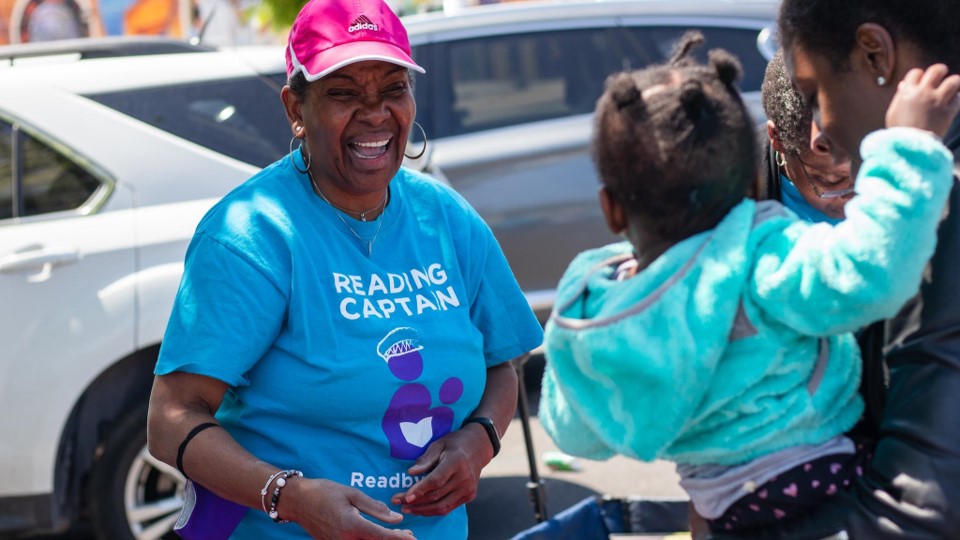
“We want to help more and more children create a 360 surround…[where] everyone in their community recognizes the importance of young children and [they] are contributing to the literacy development of all of those children. Whether it’s in the library, the grocery store, the nail salon, the barbershop…these are all our children, and we need to all contribute to their development.”
– Susan Neuman, Ed.D., New York University
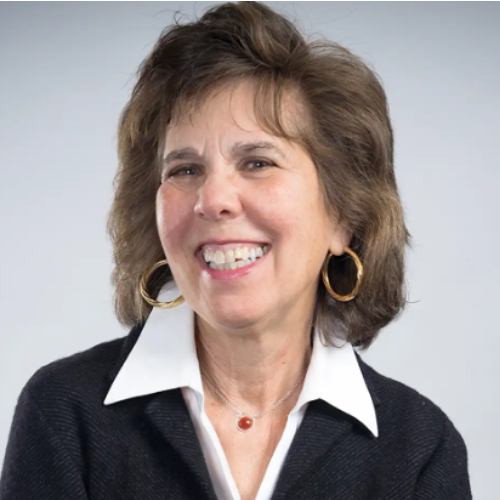
In the November 4, 2025 Crucible of Practice Salon, Susan Neuman, Ed.D., with New York University opened the conversation by discussing the importance of ensuring that literacy opportunities are available for children throughout all contexts — including in their own neighborhoods. She explained what she’s learned through her studies of trusted messengers in everyday spaces including Reading Captains in laundromats.
Clinton Drees with Read by 4th in Philadelphia provided an overview of the Reading Captains program — why the initiative began, the roles Reading Captains play throughout the city, and how they are supported to do their work. Drees summarized by saying:
“After eight years of supporting Reading Captains, we’ve picked out three lessons that we think are worth sharing. One, innovation isn’t always about creating something new. Sometimes it’s about reimagining everyday life and activating what’s already there. Two, it takes a lot to support Reading Captains. Yes, they’re doing the work, but behind them is a network of systems, operational support, outreach strategies, and real emotional labor of maintaining relationships with and supporting hundreds of people. And three, community is power, full stop. Give the community the tools, pick up the phone and listen to their experiences, support their connections and growth, and watch the magic happen.”
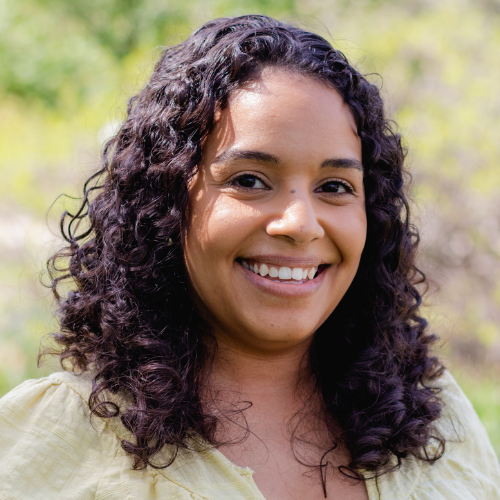
Eden Galan, also with Read by 4th, described her journey from being a parent interested in finding great experiences and resources for her family to becoming a Reading Captain so she could share with and support her neighbors through events like the Latinx Literacy Fest. She also discussed her experience being a part of the study about trusted messengers in laundromats. Galan shared, “I’m proud to be a Reading Captain, and I think that it really works because it’s rooted in relationships. It’s neighbors talking to other neighbors, and we’re sharing information in a way that feels personal and trustworthy.”
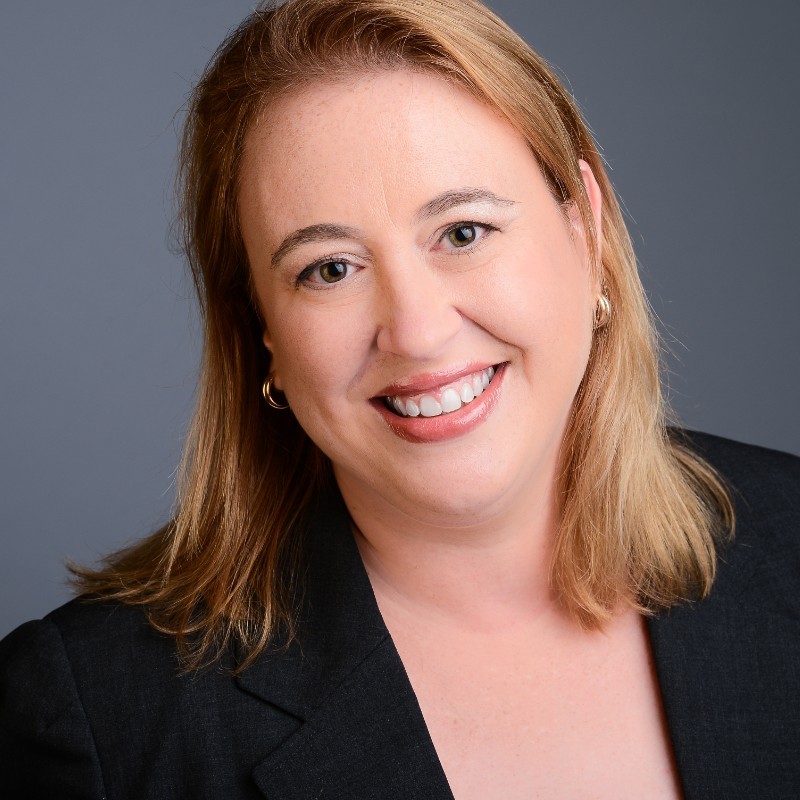
Then the conversation turned to how the Reading Captains program migrated to St. Louis, Missouri. Lisa Greening with Turn the Page STL explained how she heard about the program, learned from the work of Read by 4th, and found a local partner willing to take on the initiative. Lauren Campbell with Ready Readers in St. Louis described how they started their program, highlighting the types of activities Reading Captains are involved with including a partnership with three of the housing developments in the city. She concluded, “We are seeing that families are starting to feel more connected to their community, more connected to community resources. Conversations are being had around literacy and reading routines. Kids are feeling more excited about reading and…families are reading more frequently at home.”
Panel
Details
- Date:
- November 4, 2025
- Time:
-
12:30 pm - 2:00 pm
- Event Categories:
- Crucible of Practice Salon, Parents, Past Event, Readiness, Reading & Math