- This event has passed.
What Parents Want: Innovative Ways to Improve Communication and Build Trust in Schools
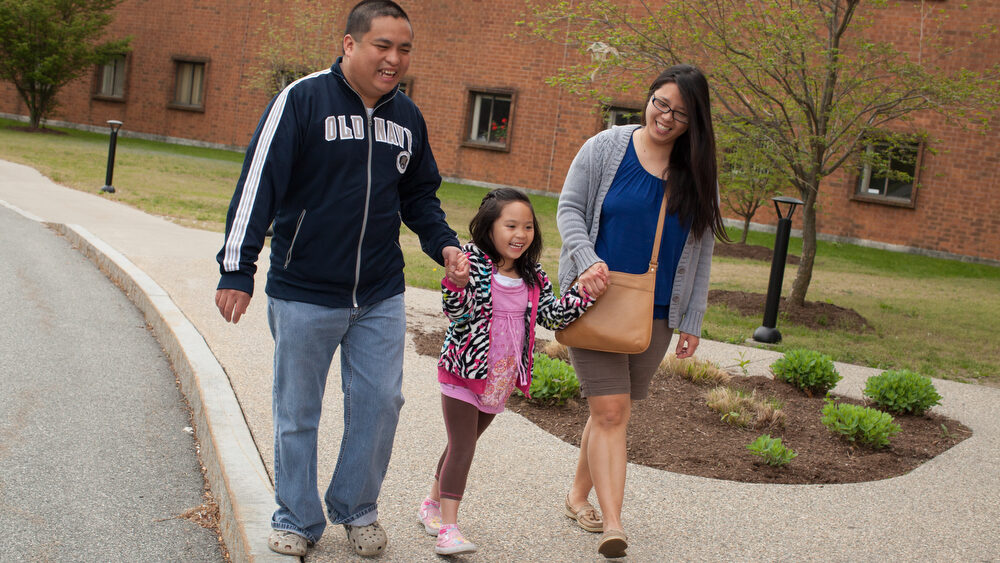
All of these ideas have been really innovative and [have resulted in] parents and teachers talking in a deeper way and developing trust. And what I love about the next step with the LSX Fellows program is now we are bringing in new voices from the non-educator fellows who can look at it with fresh perspective and give us more feedback to improve on what we are doing.
– Yu-Ling Cheng, Kidsburgh and Parents as Allies
In the June 24, 2025 Peer Exchange Learning Conversation, CGLR partnered with New America and its Learning Sciences Exchange (LSX) program to spotlight new ideas and tools for family engagement that emerged from a year-long project in three schools near Pittsburgh, Pennsylvania.
Moderated by Lisa Guernsey at New America, the webinar began with a video showcasing the new work and then moved into a conversation with Yu-Ling Cheng of Parents as Allies, an innovative program in more than two dozen school districts in southwestern Pennsylvania. This year’s cohort of LSX Fellows worked with Parents as Allies to tackle and solve specific challenges in reaching parents and caregivers in elementary schools. For three years, Parents as Allies has used methods such as empathy interviews between educators and parents to build trust and help families see educators as partners in helping their children thrive.
“The team started having aha moments after the empathy interviews,” Cheng said. “If you think about how parents and caregivers interact with teachers, it is usually through parent-teacher conferences or if something isn’t going well.” But in these interview settings, she said parents could feel like they were in a neutral place and could see each other as people and form real relationships.
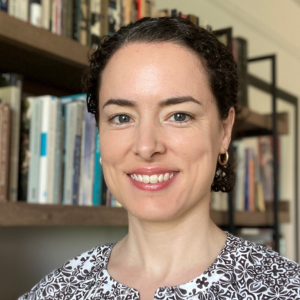
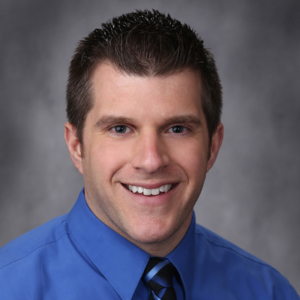
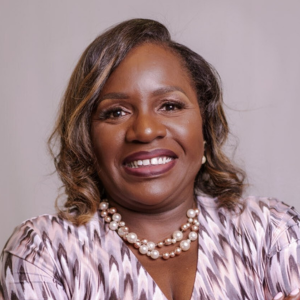
The LSX program, which creates cross-sector collaborations to break through silos and solve tough education problems, selects cohorts of mid-career experts in and outside of education to work in teams to design and test solutions. This year’s LSX group included three school leaders from Pennsylvania — Tabitha Marino, Ph.D., of New Castle Area School District, Scott Miller, Ph.D., of Avonworth Primary Center, and Erica Slobodnik of Duquesne City School District — along with four other fellows from different geographies and across four other fields, including research, journalism, entertainment/storytelling, and social entrepreneurship — Susana Beltrán-Grimm, Ph.D., of Portland State University; Tara García Mathewson of CalMatters and The Markup; Miroslava Rodriguez of Erandi Aprende; and Sheila R. Thomas, Ed.D., of Thomas Educational Consulting and Training.
The Peer Exchange webinar brought all seven fellows together to discuss what they learned since their fellowship started last September. The highlight was “listening to the families,” said Beltran-Grimm, whose research focuses on co-designing with families of young children. Through the interviews that school leaders had already done with teachers and parents, it became clear, Beltran-Grimm said, that families didn’t need more fancy tech tools or huge new programs. Instead, they needed easy-to-use resources and family-connection initiatives that were truly relevant to them. “Nothing against AI, but in a world with constant AI messaging, the power of listening to people in the community is so powerful,” Beltran-Grimm said.
The conversation dug into questions from superintendents and school leaders from across the country (more than 350 people attended the webinar and the chat was filled with ideas and questions). One question was how to engage parents and caregivers who are not usually seen at school events or who may feel uncomfortable talking to educators, and fellows described their efforts to catch parents at drop-off or school pickup time for short one-on-one conversations about specific needs.
Another question was how to move from just “listening” to ensuring you can deliver on what caregivers say they need. “We got specific,” answered LSX Fellow and Avonworth school Principal Miller. For example, he said, “In one of our projects, we specifically went to families who were new families”— who hadn’t enrolled their kids during kindergarten or who registered their children in the middle of the school year. By targeting and doing specific outreach to this particular group of parents and caregivers, Miller was able to listen for feasible ideas and then act on them. He worked with the other fellows to develop a program called Bridge Builders, which helps newcomer families meet up with other parents in their particular neighborhood who can help them find child care, learn the ins and outs of the school bus routes, and more.
The webinar ended with recommendations (which are outlined in a new policy brief offering insights from the LSX project) for school principals, superintendents, community leaders, and education policymakers. Some of the recommendations included slowing down, giving time and space for gathering feedback from families and educators, testing innovations and tweaking them, applying and taking note of non-traditional measures of impact, and making room for cross-sector collaborations such as the LSX model to bring in fresh perspectives.
“Collaboration creates a stronger solution,” said Marino. People in schools can’t think of everything by themselves, she said. “Working not only with parents and teachers and principals but also with non-educators — that strengthened all of our projects.”
Panel




Details
- Date:
- June 24, 2025
- Time:
-
12:30 pm - 2:00 pm
- Event Categories:
- Peer Exchange Conversation, Upcoming Event