- This event has passed.
Designing for Connection in the Earliest Years: Technology to Support Families With Children Birth–5
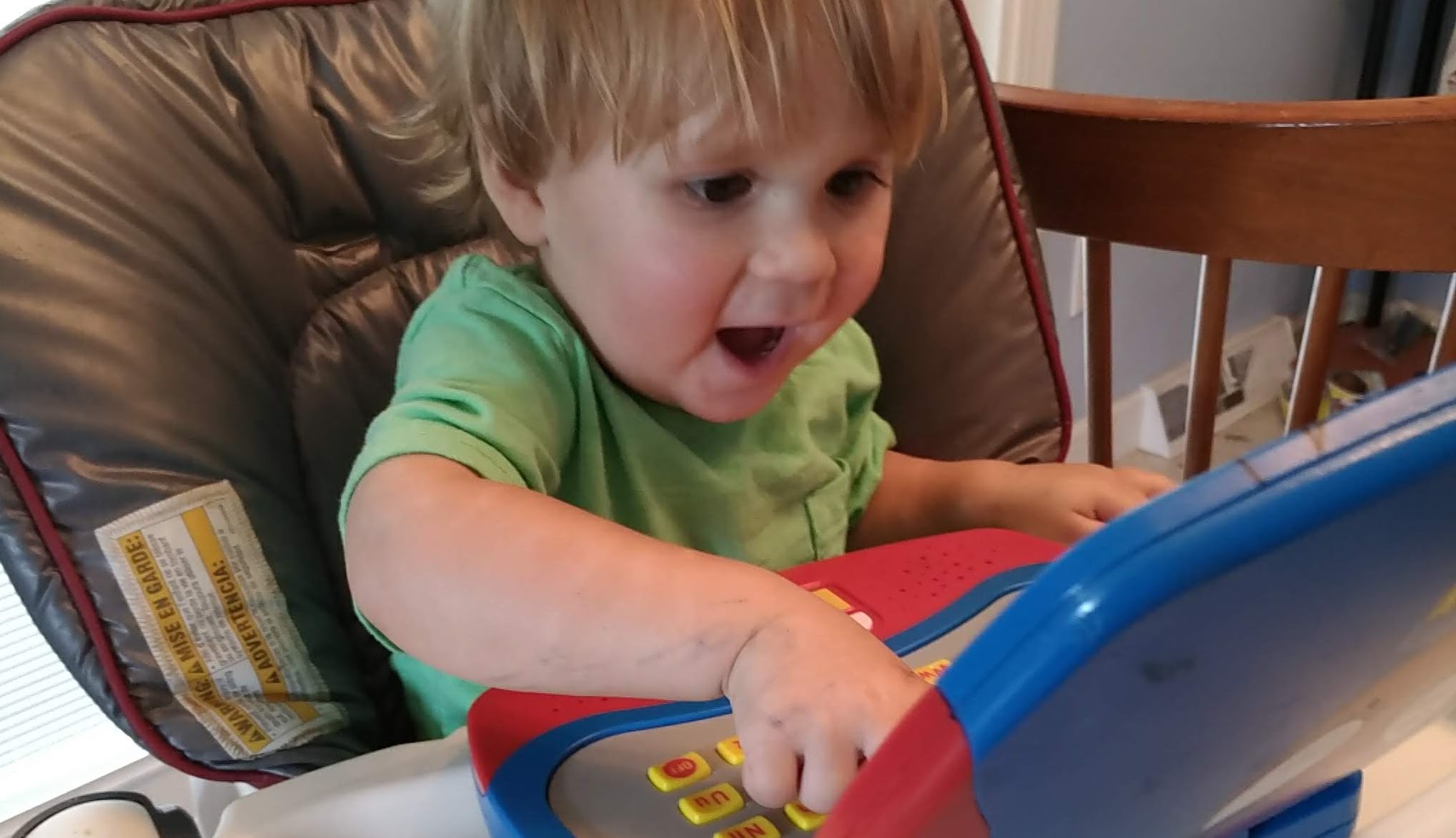
In a conversation moderated by Ginger Young of Book Harvest, panelists Steve Hannon, Ph.D., of LENA; Allison Leedie of Khan Academy Kids; Dan Torres of Vroom, a program of Bezos Family Foundation; and Amie Wood of Waterford.org explored how technology can support — not supplant — the central role of parents and caregivers as their children’s first teachers. The session reinforced that while books remain the enduring cornerstone of literacy and imagination, technology — when designed with intention and partnership — can reduce burdens, spark joyful connections, and empower families to guide their children’s learning with confidence. Highlights included:
Parents as First Teachers
- Parents are at the center of children’s learning journeys. When equipped with the right tools, encouragement, and support, they are the solution to improving literacy and early learning.
- Both parents and educators benefit from resources that nurture a love of language, books, and connection.
Program Spotlights
- LENA shared how its talk pedometer technology measures adult-child interactions and conversational turns, giving parents and early educators concrete feedback to strengthen shared reading and early language experiences.
- Khan Academy Kids demonstrated how its free app provides access to over 400 digital books and thousands of activities that adapt to each child’s growth, while building bridges between home and school learning.
- Vroom (Bezos Family Foundation) highlighted how everyday routines — from mealtime to laundry — can be transformed into brain-building opportunities, offering more than 1,000 caregiver-friendly tips in multiple languages.
- Waterford.org shared how its CARES framework and family app provide practical daily activities, learning calendars, and digital books that encourage playful, shared reading and celebrate family-child progress.
Addressing Key Challenges
- National data shows a decline in shared reading. Panelists underscored the importance of reading aloud with young children, conversational turns, storytelling, and playful engagement — whether through physical books, digital libraries, or daily interactions.
- Technology can play a bridging role, offering “nutritional screen time,” scaffolding confidence for caregivers with low literacy, and translating progress into meaningful home-school connections.
Themes of Hope and Opportunity
- Families have a deep desire to be involved. Meeting them with tools to affirm that they already have what it takes sparks confidence and transformation.
- Longitudinal data shows early investments in interaction pay off. With bold leadership and thoughtful design, technology can make access to learning supports more equitable, scalable, and culturally responsive.
This session reaffirmed that books and literacy must remain at the center of early learning — and that technology, when used wisely, can act as a bridge to connection, belonging, and joy.
CGLR is deeply grateful to our panelists from LENA, Khan Academy Kids, Vroom, and Waterford.org for sharing their work, as well as to all of you for your continued partnership in advancing early learning.
Panel





Details
- Date:
- September 16, 2025
- Time:
-
3:00 pm - 4:30 pm
- Event Category:
- Upcoming Event