- This event has passed.
Making Sense of COVID-19 Federal Stimulus Bills Supporting Children and Families
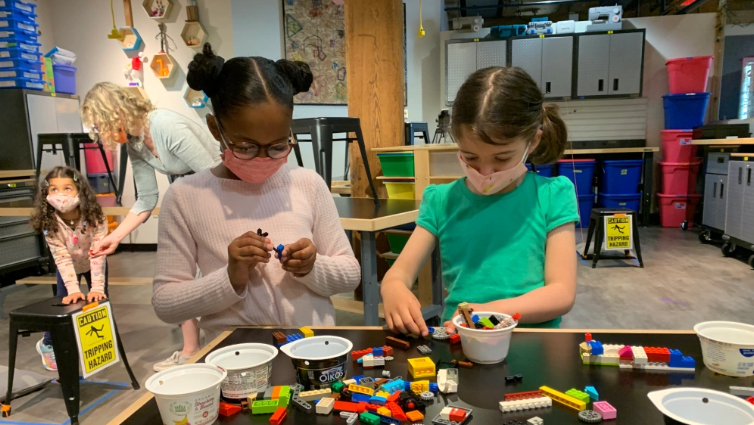
In this special webinar, CGLR’s former Chief Learning Officer Yolie Flores moderated a conversation with John B. King Jr. and Denise Forte of The Education Trust; Dr. Ruth Friedman, child and family policy consultant; Etienne Melcher Philbin of the Food Research and Action Center (FRAC); and Farrah Freis Buff of Child Nutrition Programs at Food & Nutrition Service, USDA. Sharon Darling of the National Center for Families Learning joined as a discussant.
John B. King Jr. set the stage, providing the overall context of what the COVID-19 pandemic disruption means for the millions of children and young people who no longer have access to their schools, their teachers and their peers; many who do not have access to digital learning; and millions who rely on schools for their morning and lunch meals. He lauded Congress’ efforts for the stimulus bills to address many of these needs and cautioned that much more is needed. Relating to his own personal story where school became his only safe and supportive haven after losing both parents as a young student, King reminded us that for many, many young people, school may be the only place they have for social supports. He encouraged participants to stay vigilant and engaged, ensuring that the most vulnerable students and families are served with these federal relief bills.
Denise Forte provided a more in-depth overview of the major educational provisions in the CARES Act (S. 3548), including the Education Stabilization Fund, which includes $13.5 billion for K-12 education and the $3 billion for governor’s discretion spending on K-12 and higher education. Forte also discussed how and when funds will get to states and institutions and what state leaders should be doing to ensure that the funds reach and support our most vulnerable students.
Dr. Ruth Friedman discussed COVID-19 and the early education landscape, which essentially has resulted in 16 states closing child care centers and most states adjusting rules to prioritize child care for essential workers. The $3.5 billion in the CARES Act provides payments to providers during closures or decreased enrollment. Advocates are asking for $50 billion in child care assistance in the next funding package and additional funding for small business loans.
Etienne Melcher Philbin offered an overview of the pandemic’s impact on the 22 million children that rely on free and reduced-price school lunch. In response, Congress authorized the Pandemic-EBT (P-EBT), which provides an EBT card for families to purchase food at retailers that accept SNAP. States must submit plans to USDA before states can provide the benefit.
Farrah Freis Buff provided additional information on the P-EBT state process and shared that states are expressing strong interest in submitting plans.
Discussant Sharon Darling offered closing remarks, highlighting the critical role parents are playing to support their children in this unprecedented time. She called on leaders and advocates to use this opportunity to recognize that parents are essential partners in the education of their children and to strengthen the infrastructure to support parents and families in helping their children succeed.
Panel