- This event has passed.
Building the Bridge: How Early Relational Health Fuels Early Learning and Third-Grade Reading Success
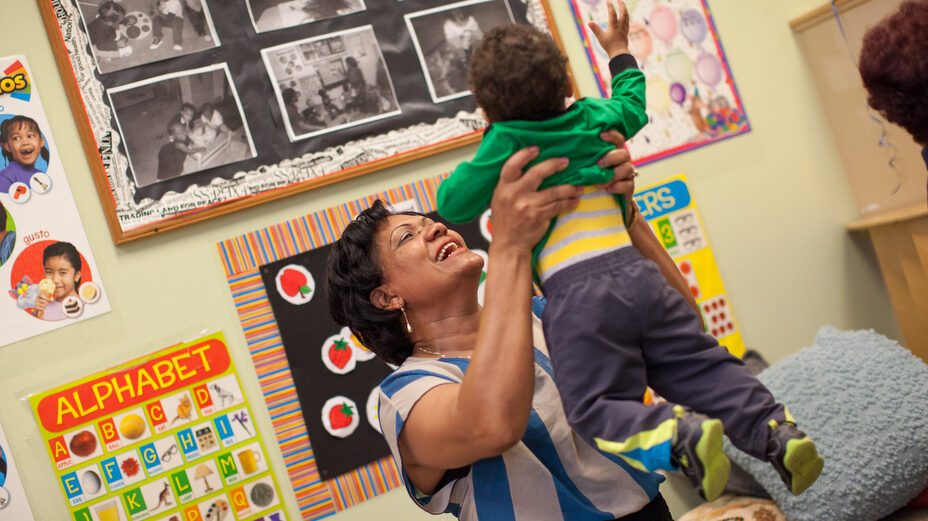
This Learning Tuesdays webinar highlighted the critical connection between early relational health (ERH) — the mutual, meaningful, and affirming relationships between young children and caregivers — and early learning, literacy, and third-grade reading success. Anchored by the National Academies of Sciences, Engineering, and Medicine report, Early Relational Health: Building Foundations for Child, Family, and Community Well-Being, the session brought together several of the report’s authors and practitioners to translate its insights into action.
Grounding in the Science of Early Relational Health
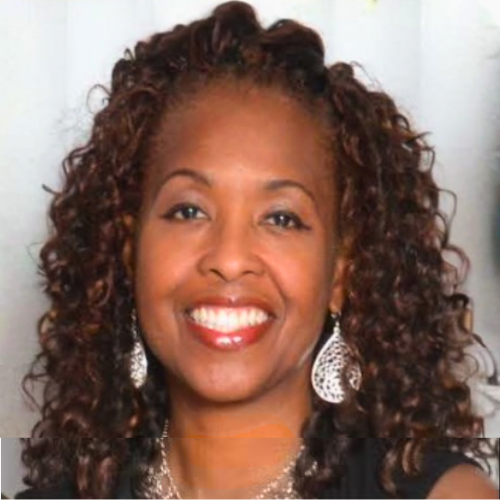
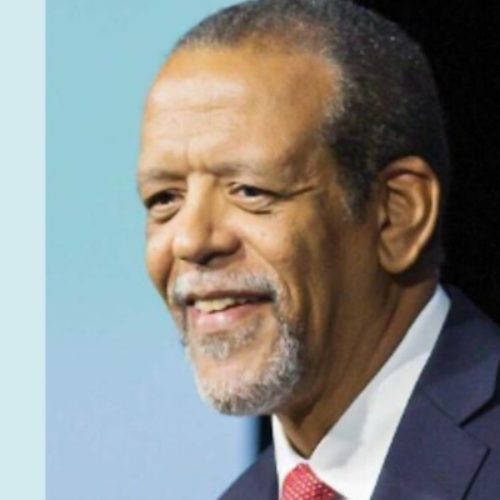
The first panel — David W. Willis, MD, FAAP, Nurture Connection, Thrive Center, Georgetown University; Elisabeth Burak, MPP, MSW, Center for Children and Families, Georgetown University; Dominique Charlot-Swilley, Ph.D., Thrive Center, Georgetown University; and Justin Lavner, Ph.D., University of Georgia — grounded the audience in the science of ERH. Panelists emphasized that relationships are foundational to brain development, resilience, and kindergarten readiness. ERH extends beyond health systems to early learning centers, home visiting programs, and community supports. Core principles include supporting family well-being, embedding relational practices across systems, grounding approaches in culture, and treating ERH as a public good with cross-sector benefits. They underscored that ERH is built through ongoing cycles of relating, rupture, and repair, and stressed that systems must act as relationship builders rather than solely service providers. Opportunities exist to translate the science into policy through promoting workforce development, leveraging Medicaid and early childhood systems, and investing in community infrastructure that nurtures connection.
Early Relational Health in Practice
The second panel — Lee Savio Beers, MD, FAAP, George Washington University; Margaret Caspe, Ph.D., National Association for Family, School, and Community Engagement (NAFSCE); Ron Ferguson, Ph.D., The Basics, Inc.; Adrián Pedroza, Abriendo Puertas/Opening Doors; and Jade Woodard, Family Connects International — discussed bringing ERH to life across systems. Their conversation centered on three themes: intentionally fostering connection, cultivating trust within “surround sound” networks, and ensuring targeted universalism and belonging. Panelists shared examples such as “Parent Cafés,” community storytelling initiatives, and The Basics’ community-wide relational projects. Trust was described as built on motives, competence, dependability, and respect, with programs like Family Connects’ home visits illustrating how trusted relationships connect families to broader supports. They emphasized that collaboration across sectors is critical but often challenged by siloed systems and structural barriers, and that culturally responsive, locally tailored approaches are essential for equitable relational support.
ERH and Early Literacy: Relational Learning as a “We” Experience
“Those early moments of connection with shared reading, storytelling, pointing at the words together…these early moments of connection underscore that learning and education is a ‘we’ experience not a ‘me’ experience.”
— David Willis, Nurture Connection, Georgetown University
Panelists highlighted that early literacy is inseparable from relational health, with shared reading, storytelling, and “serve and return” interactions creating relational learning spaces. Attention to peer dynamics, social-emotional learning, and positive relational moments fosters help-seeking and collective engagement.
Across both panels, the message was clear: Learning is a shared experience, and when relationships are placed at the center of policy, practice, and community life, children are better prepared to thrive in school and beyond. Panelists concluded with a hopeful vision of a future in which relationships guide all systems that touch families, serving as the foundation for learning, literacy, and lifelong well-being.
If you were able to attend the session, we would love to hear your feedback! We appreciate your help in filling out the following form as we seek to learn and understand the perspectives, ideas, critiques and recommendations that better inform our key audiences.
Panel







Details
- Date:
- October 28, 2025
- Time:
-
3:00 pm - 4:30 pm
- Event Categories:
- Partner Webinar, Past Event