- This event has passed.
Accelerating Literacy Through Same Language Subtitling
Brij Kothari, Ph.D., the founder of PlanetRead, conceived of Same Language Subtitling (SLS) as a way to advance literacy at scale using television. In India, an estimated 850 million people cannot read simple texts at a second-grade level. However, there are an estimated 1 billion TV viewers, watching an average of four hours of television per day, and expected to do so for 70 years. Through studies and pilot initiatives, SLS has been shown to have an enormous impact on literacy in India. Regular SLS exposure on TV at home more than doubled the number of good readers among primary school children, from 24 percent to 56 percent.
Deborah Nichols, Ph.D., Associate Professor at Purdue University and one of the top education researchers, shared research results conducted in the United States, suggesting that repeated exposure to onscreen print can lead to increased attention and enhanced learning. For children growing up in poverty, who have less access to traditional learning support, research shows that educational screen-based media interventions can be particularly valuable and effective.
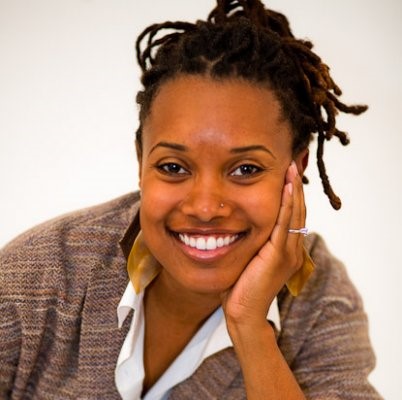
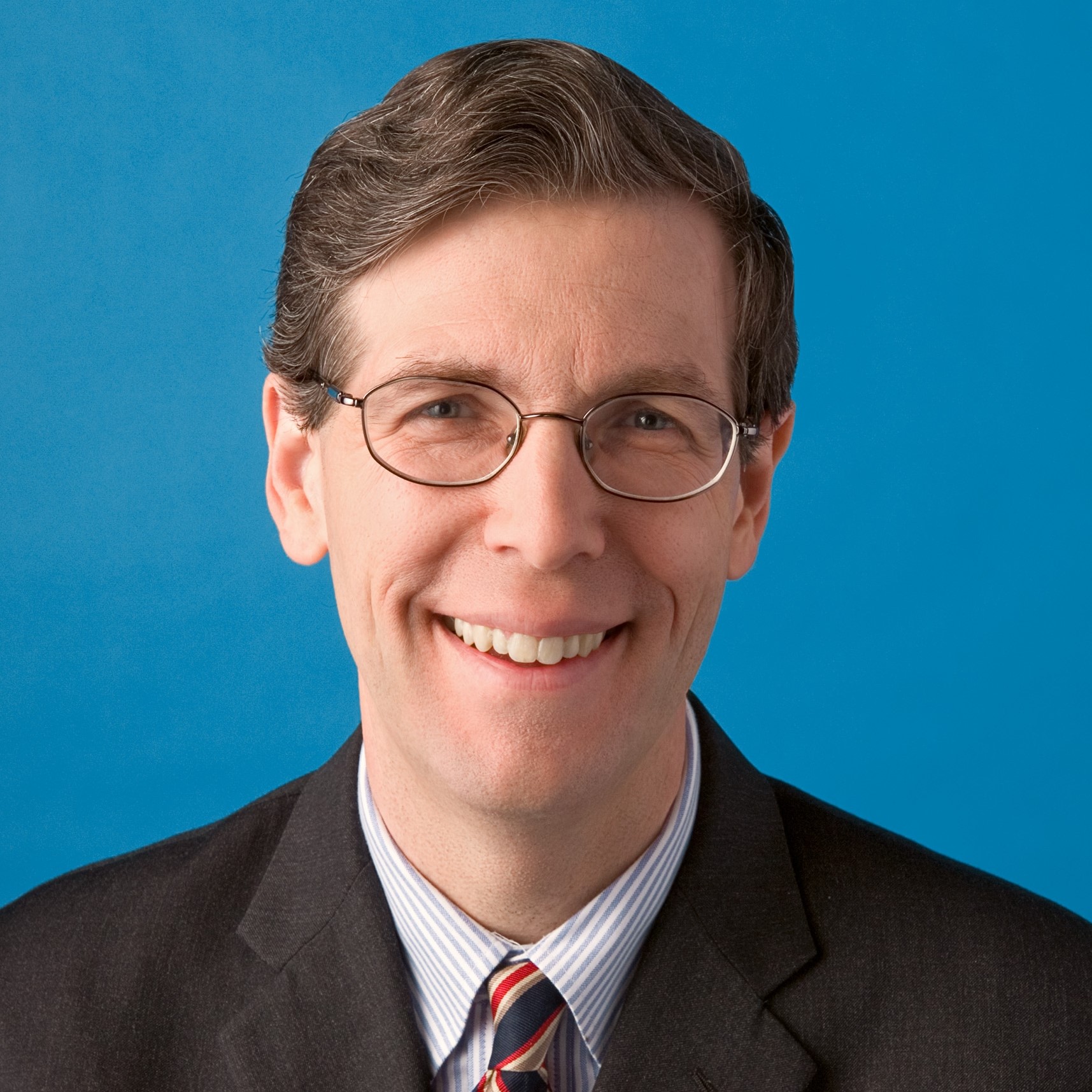
In conversation moderated by Kyle Zimmer, the President and CEO of First Book, three leading experts — Kelly Butler, the CEO of the Barksdale Reading Institute, Kristal Moore Clemons, Ph.D., National Director of the Children’s Defense Fund Freedom Schools, and Michael H. Levine, Ph.D., SVP of Learning and Impact, Noggin/Nickelodeon — shared their perspective on the potential for using SLS to advance literacy in the United States.
The discussion included some inspiring ideas and hopeful next steps on the value of harnessing the power and presence of television in children’s homes to be a more valuable tool of learning — from the opportunity for intergenerational learning and family engagement to the possibility of heightening the impact of educational media for millions of kids and families.
Panel

Details
- Date:
- February 8, 2022
- Time:
-
3:00 pm - 4:30 pm
- Event Categories:
- Learning Tuesdays, Partner Webinar, Past Event