- This event has passed.
REBROADCAST: SNAP’s Far Reaching Benefits for Children
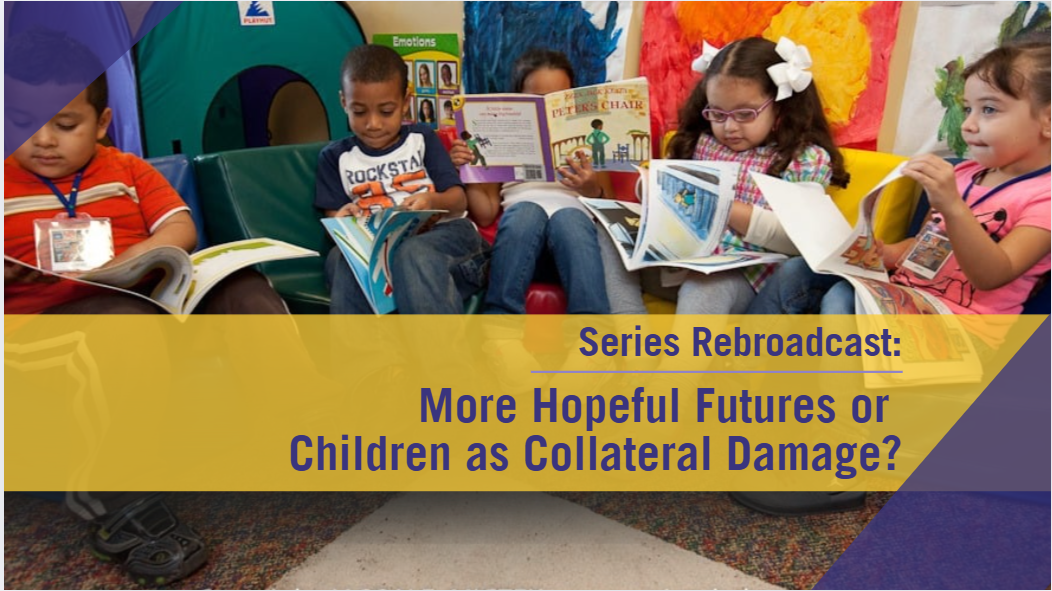
The Supplemental Nutrition Assistance Program — more commonly known as SNAP or Food Stamps — is the nation’s largest anti-hunger program, supporting more than 34 million individuals, nearly half of them children. SNAP helps families afford food and groceries, a basic necessity linked directly to improved birth outcomes, healthy development, early learning, and school success, according to the Food Research & Action Center (FRAC).
But this vital program is at risk. Policy shifts in the recently passed budget reconciliation package will cut SNAP by nearly $300 billion over the next decade, threatening to strip access from millions of families with young children, including 11.7 million Latino children who currently rely on SNAP or Medicaid, according to UnidosUS. These changes will disproportionately harm children in the early years when nutrition and stability matter most. In addition, the Urban Institute warns that nearly 3 million young adults, including many students and parents, could also lose access to the program, jeopardizing their educational and economic prospects.
Join us August 19, from 3–4:30 p.m. ET, to hear Salaam Bhatti, Esq., formerly with FRAC, provide a brief overview of the final legislation’s implications to SNAP and what state leaders can do now to prepare. The rebroadcast will also feature a conversation with leaders working at the national and state levels to ensure that children and families have access to healthy nutrition. This session spotlights the critical role SNAP plays in enabling more hopeful futures for children, and the return on investment in SNAP funding, which saves more than $2 in health care costs for every $1 spent. Panelists examine SNAP’s unique role across health, education, and economic systems — and how safeguarding it is central to advancing equity and opportunity for children and families nationwide.
Panel






Details
- Date:
- August 19, 2025
- Time:
-
3:00 pm - 4:30 pm
- Event Category:
- Upcoming Event