- This event has passed.
Book Abundance for Early Learning and Development, Early Literacy and Early School Success
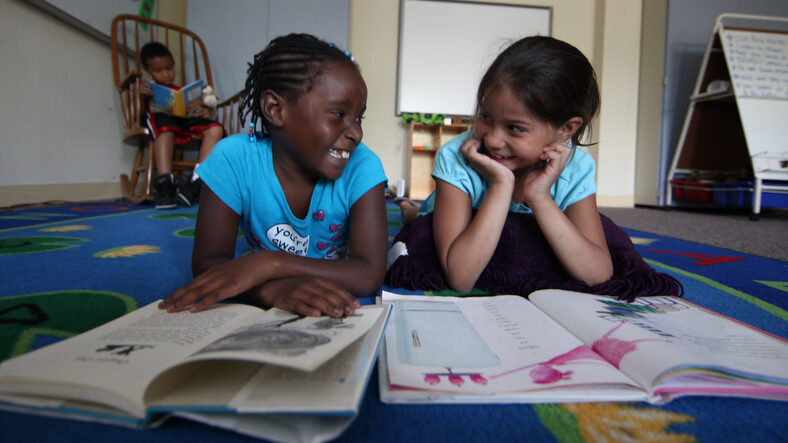
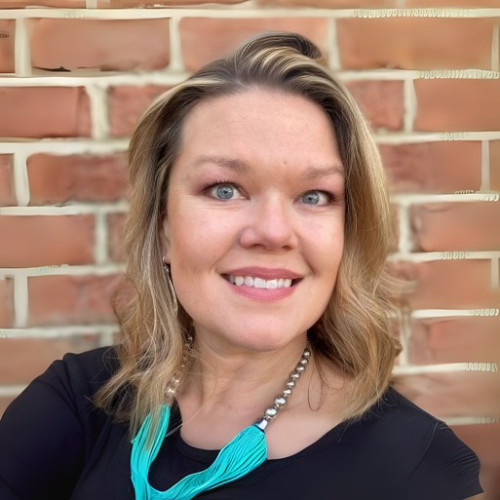
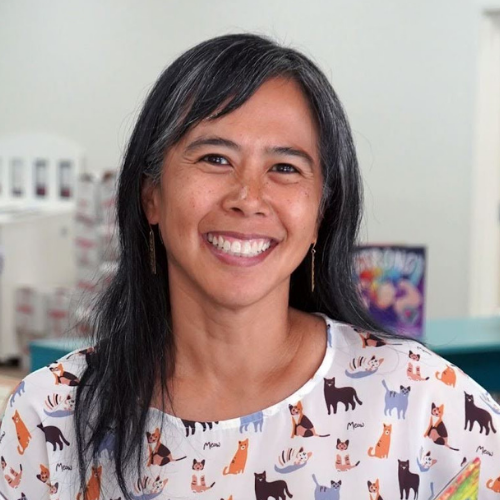
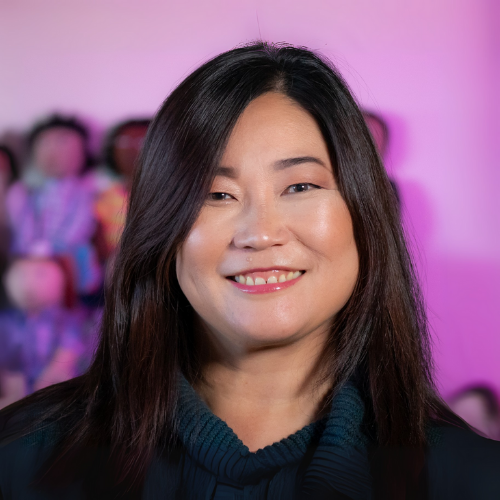
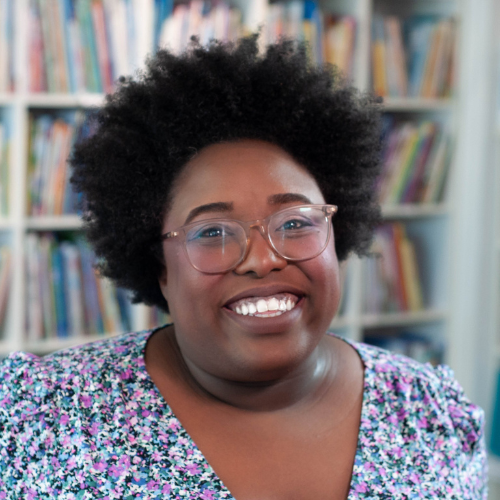
this October 7, 2025 GLR Learning Tuesdays session reminded us that book abundance is not just about numbers — it’s about stories that fuel imagination, affirm identity, and build strong reading foundations. During this session, held during National Book Month and Banned Books Week, we heard powerful reminders from panelists — Jules Appleton with First Book, Tabitha Blackwell with Book Harvest, Rebecca Chrystal with Raising a Reader, Rebecca Slaby with AmazeWorks, and Cynnamon Woodberry with Make Way for Books — that when children grow up surrounded by books that reflect who they are and open doors to the wider world, they are better prepared to thrive in school and in life.
Early Literacy and Achievement
Panelists affirmed that book abundance is foundational to early reading success.
- First Book’s Diverse Books Impact Study found that classrooms adding diverse and bilingual titles saw increased reading scores and engagement, with the greatest gains among the lowest-performing students.
- Raising a Reader shared that children with access to books at home are more likely to read above grade level and that motivation rises when children find themselves reflected in stories.
- Make Way for Books emphasized the need for educators to be equipped with books and training that connect literacy with joy and belonging, especially in early learning settings.
Access and Equity
Panelists explored how true abundance requires equitable access — ensuring that families furthest from opportunity can find, afford, and enjoy books.
- Book Harvest described how the mayor of Durham, North Carolina, deemed that city the “City of Books” due to Book Harvest’s work in the community and its network of book hubs in clinics, laundromats, parks, and more; as well as the organization’s family space and continuum of programs that provide free books to children birth through middle school.
- First Book highlighted its Diverse Books for All Coalition, bringing together more than 60 partners to make relevant titles accessible and affordable through collective purchasing.
- AmazeWorks stressed how access is connected to belonging, urging that all children be able to see their experiences reflected and respected through stories.
Identity and Belonging
Books can function as both “mirrors” and “windows” for children — affirming their identities while also expanding their worldview.
- AmazeWorks shared that as few as five explicit conversations about identity and difference can reduce bias in children and that books provide the perfect catalyst for these discussions.
- Book Harvest described how access to stories in home languages fosters connection and belonging — sharing the story of a mother’s excitement when she found a Farsi-language book to share with her child.
- Panelists noted that representation shapes self-worth, empathy, and inclusion across classrooms and communities.
Continuum From Birth to Middle School
Book abundance builds momentum across childhood into adolescence.
- Raising a Reader emphasized that strong reading routines and positive emotional bonds in the earliest years predict later literacy and engagement.
- Book Harvest and AmazeWorks underscored that representation and belonging remain vital through adolescence, influencing motivation and academic confidence.
- Panelists agreed that a continuum approach — from birth through middle school — ensures that literacy and identity development grow hand in hand.
Joy and Love of Reading
Amid declining trends in reading for pleasure, panelists uplifted joy as both the goal and the method.
- Make Way for Books brings playfulness and laughter into reading, helping children and educators see books as joyful companions, not assignments.
- First Book noted that when children choose books that reflect themselves, reading becomes play — a self-driven act of exploration and pride.
- Raising a Reader described families rediscovering connection through shared reading, transforming routines into moments of warmth and curiosity.
Stories From the Field
Each panelist shared moving examples of book abundance in action.
- A child in Durham found a book with a character who shared her name — a rare moment of joyful recognition and affirmation for that child.
- A teacher used Dina Misses Her Mom, a book about parental incarceration, to create a safe, stigma-free space for students.
- Children on tribal lands connected deeply with books written by Indigenous authors and illustrators, reinforcing cultural pride and voice.
Across all stories, one message rang clear: Every book placed in a child’s hands is an act of hope — and a step toward a more literate, connected, and equitable future.
If you were able to attend the session, we would love to hear your feedback! We appreciate your help in filling out the following form as we seek to learn and understand the perspectives, ideas, critiques and recommendations that better inform our key audiences.
Panel
Details
- Date:
- October 7, 2025
- Time:
-
3:00 pm - 4:30 pm
- Event Category:
- Past Event