- This event has passed.
Reaching their Full Potential: Plugging the Leaky Pipeline for High Achieving, Low Income (HALO) Students

Co-Sponsored by
“This webinar is a blessing. I could’ve sat through an entire day listening to these presenters discuss this topic. I’m so excited to dig in and put this information into practice to support our schools, families, and students in the state of Texas. Thank you all so much!”
The quote above was posted in the chat at the end of this GLR Learning Tuesdays webinar and captures the impact of the discussion and the wealth of information and knowledge shared by a stellar panel. CGLR was proud to co-sponsor this session with the Thomas B. Fordham Institute, who offered to share the important research they recently completed in the state of Ohio and the resulting report titled The Leaky Pipeline: Assessing the college outcomes of Ohio’s high-achieving low-income students.
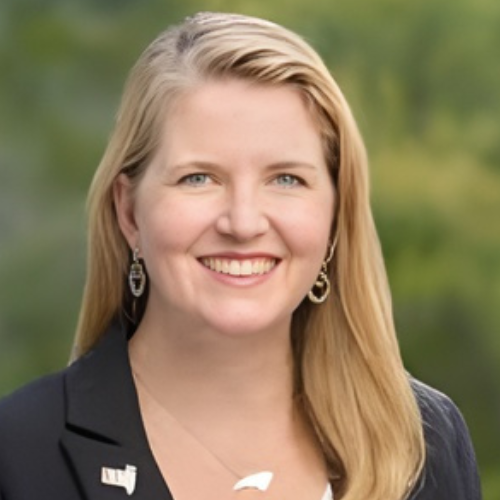
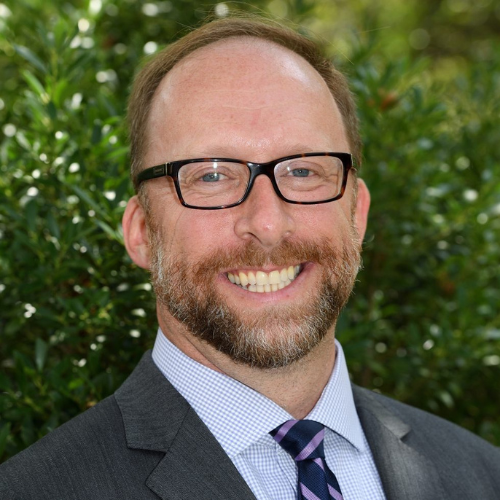
Moderator Michael Petrilli of the Thomas B. Fordham Institute began the session by engaging report author Stéphane Lavertu of The Ohio State University’s John Glenn College of Public Affairs in a discussion of the findings from the Ohio study. Lavertu highlighted how the leaky pipeline begins as early as kindergarten and that, in Ohio alone, nearly 2,000 HALO students should be going to college but are not. Panelist Aaron Churchill of the Thomas B. Fordham Institute shared the policy implications and how the insights from Ohio have bearing on and should influence policy development in districts, states, and the nation. A second top researcher, Jonathan Plucker of Johns Hopkins University School of Education, emphasized the large number of HALO students in classrooms across the country and the importance of recognizing their talent early in their educational careers:
“We have found that these [HALO] students are in every single school and every single classroom, even in the highest-poverty schools. And I think that’s a really important point because we’re talking about a lot of students who are advanced, who deserve to be challenged when they come to school every single day….So think about all the students that we’re losing in this leaky pipeline….This country has a huge thirst, a huge demand for talent. We generally are filling the demand now with people from other countries. That’s awesome. Yet we have just as many American students here who have the same skills, who aren’t getting those opportunities.”
Petrilli continued the conversation with an excellent panel of state leaders and local educators who described how their states, districts, and schools are implementing policies and strategies to ensure HALO students can access accelerated learning opportunities throughout their K–12 educational careers. Brenda Berg of BEST NC: Business for Educational Success and Transformation in North Carolina, Aaron Daffern of the Dallas Independent School District in Texas, and David Taylor of the Dayton Early College Academy in Ohio discussed policies that call for automatic enrollment in advanced classes based on results of universal screenings. They shared ideas and tips to advocate for these policies that ensure HALO students can access opportunities for learning that meet their talent. Taylor stressed that engaging parents is essential for encouraging students and that screening data can demonstrate the true potential of HALO students and their ability to succeed:
“When a trusted adult sits down with a parent and says, this is why we think your child needs to be doing more, this is why we think your child needs to be taking a bigger risk — parents can’t wait. They can’t wait to sign their kid up. And really it comes down to the trust being built ahead of time. It is also really important to have empirical data in these conversations to be able to say this isn’t just my opinion. Here’s what the numbers say. That’s why it’s really important that we have universal screeners. You know, very often people will say, ‘Well, but their behavior, they haven’t gotten the best grades’ and we have to bring it back to: They have the potential, they have the ability. We can actually see it demonstrated right here. If we don’t tap into their potential right now, they’re not going to have that potential later on. I have yet to see a parent who hasn’t had that conversation and been really excited about the opportunity for the child.
If you were able to attend the session, we would love to hear your feedback! We appreciate your help in filling out the following form as we seek to learn and understand the perspectives, ideas, critiques and recommendations that better inform our key audiences.
Panel





Details
- Date:
- December 16, 2025
- Time:
-
3:00 pm - 4:30 pm
- Event Category:
- Past Event