


- This event has passed.
Meeting the Moment? Philanthropic Support for Child Advocacy Organizations and Networks

Co-Sponsored by Exponent Philanthropy
“It’s been great to see the flexibility, how organizations have reflected on their ability to rise to the moment, give out more funding, and/or be mindful of how they can use not just their financial assets but their collective assets and their networks to support their grantees through convenings, connections with partners, bridge funding or loans, and just serving as a voice for their community, both at the local and legislative levels.”
– Kelly Finn Störmer, Exponent Philanthropy
Kelly Finn Störmer of Exponent Philanthropy offered the above reflection in the closing of an engaging and actionable conversation about what funders can do right now to protect the philanthropic sector and to support nonprofits and the communities they serve in the wake of destabilizing policy shifts and funding cuts.
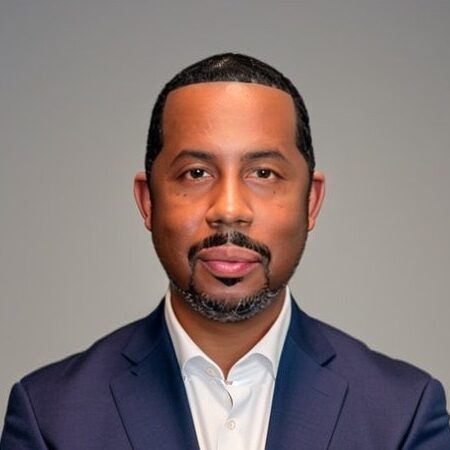
This session was co-sponsored by Exponent Philanthropy, a nationwide network of “lean” funders meaning those with no or few staff, with Störmer moderating the discussion. Matthew L. Evans of United Philanthropy Forum (UPF) opened the session with a presentation of the robust set of resources compiled by UPF to support philanthropy in meeting the moment. Evans also provided a quick summary of some of the challenges faced by the sector this year, including threats of an excise tax that would have taken $2.9 billion annually away from communities. He then described the various tools in UPF’s Advocacy, Awareness, and Action Campaign: A Strategic Campaign to Defend and Advance Philanthropy’s Freedom to Invest in Community Well-Being, noting that philanthropy needs to not only defend itself in this moment but also better communicate its story and impact on communities as a proactive offensive effort to prevent future challenges.
“We have to lead with community, and we have to make that connection. If we don’t, our advocacy efforts will not be successful. So, [UPF] put community first [in our advocacy efforts this year] and we saw that pay dividends and we will continue to do that moving forward.”
– Matthew L. Evans, United Philanthropy Forum
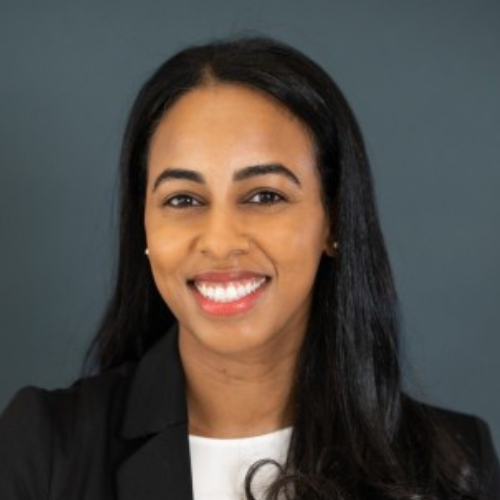
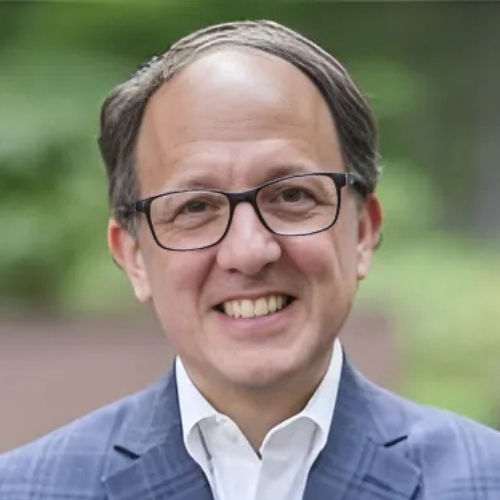
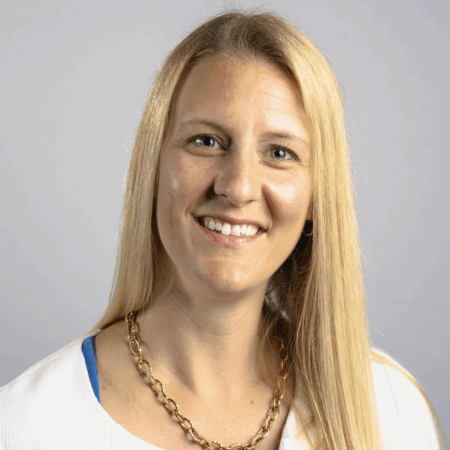
Störmer then engaged a panel of funders — including Melen Hagos of Greater Washington Community Foundation, Jenna Wachtmann of The Ball Brothers Foundation in Muncie, Indiana; and Elliot Weinbaum of William Penn Foundation (WPF) in Philadelphia, Pennsylvania — in a conversation exploring what they are hearing from their grantees and leaders in the communities they serve and what they are doing to stay engaged, act quickly, and amplify the voices of those most affected. The funders agreed that many of their grantees and community members were anxious and concerned with some feeling immediate impacts of budget cuts and/or increased demand for services while others are anticipating financial challenges as policies take effect in the coming years.
Weinbaum shared how WPF had reached out to its 500 grantees in mid-February to understand how federal-level changes were affecting them and ways the foundation could support them. Responses included requests to replace lost federal funding; technical expertise and guidance from financial, communications, strategic, or board management experts; connections to aligned professional networks for peer learning and guidance; policy and legal advice; and support for organizational transitions, such as mergers, downsizing, or even shuttering the organization. While WPF made it clear that they did not have the capacity to fill the gaps caused by federal funding cuts, the board was able to release an additional $10 million in grant funding to address some of the needs identified by grantees.
“There is no private funding that can replace federal dollars. There is no aggregation of private funding that can replace federal dollars. We tried to make it clear that the foundation was not going to get into the business of replacing federal funding…but our board did make more money available to meet those other kinds of needs.”
– Elliot Weinbaum, William Penn Foundation
The funders discussed the importance of coordination and alignment — both among funders and grantees — to effectively respond to the challenges posed by recent funding cuts and policy changes. Acknowledging that philanthropy often operates in silos, they stressed the need to be transparent about your foundation’s capacity and limitations and look for opportunities to collaborate and deliver coordinated messages.
“I think embracing a multipronged approach is critical. No single funder or funder collaborative can do everything. But if we can each take on the parts of the work that we’re well suited for and are clear and direct about where we’re stepping in, I think collectively we can cover the full spectrum of the need.”
– Melen Hagos, Greater Washington Community Foundation
They noted how nonprofits and foundations have weathered several “storms” in recent years, from the Great Recession to the pandemic, and have been able to leverage some of the systems and processes developed during those previous challenges as they respond to current challenges, including communications and engagement strategies, rapid response grantmaking, and local and national pooled funding collaboratives.
“Funders have started to figure out some ways to build those response systems that are less cumbersome….As funders and philanthropy, we have immense freedom to be able to respond and react and to get ahead of things. I’ve seen funders embrace that flexibility a little bit more and to remember that we have a checkbook and a pen. That’s a big thing.”
– Jenna Wachtmann, Ball Brothers Foundation
If you were able to attend the session, we would love to hear your feedback! We appreciate your help in filling out the following form as we seek to learn and understand the perspectives, ideas, critiques and recommendations that better inform our key audiences.
Panel

Details
- Date:
- September 16, 2025
- Time:
-
12:30 pm - 2:00 pm
- Event Categories:
- Funder-to-Funder Conversation, Health, Past Event
