Campaign for Grade-Level Reading
LEO Team
Families are looking for guidance on how to talk about technology. And so whether they’re pediatricians or even just a trusted messenger in a laundromat or anywhere, they could help play a really powerful role in sharing all these resources.
–Jane Park, Google Kids & Families
Responding to the sobering realities of the magnitude and longer-term implications of pandemic-precipitated learning loss, CGLR focused its network mobilization initiatives on advancing and accelerating equitable academic recovery. We leveraged our Learning and Engagement Opportunities (LEO) webinars to encourage, support, and equip network communities, thought leaders, partner organizations, policymakers, and leading practitioners to embrace and support a set of “big bets” to facilitate learning recovery, including technology-enhanced teaching and learning. Over the past several years, CGLR has hosted more than a dozen sessions exploring the power and potential of education technology to support children’s learning and development in the home, classroom, and community.
The current pace of technological innovation far outstrips the pace of policies, practices, and parenting playbooks. From artificial intelligence (AI) tutors to educational games, from smart speakers to endless scrolling — technology is reshaping childhood in real time. And while there is real promise in these tools, there is also serious peril and a need to ensure that the digital tools in children’s lives enhance their learning and well-being.

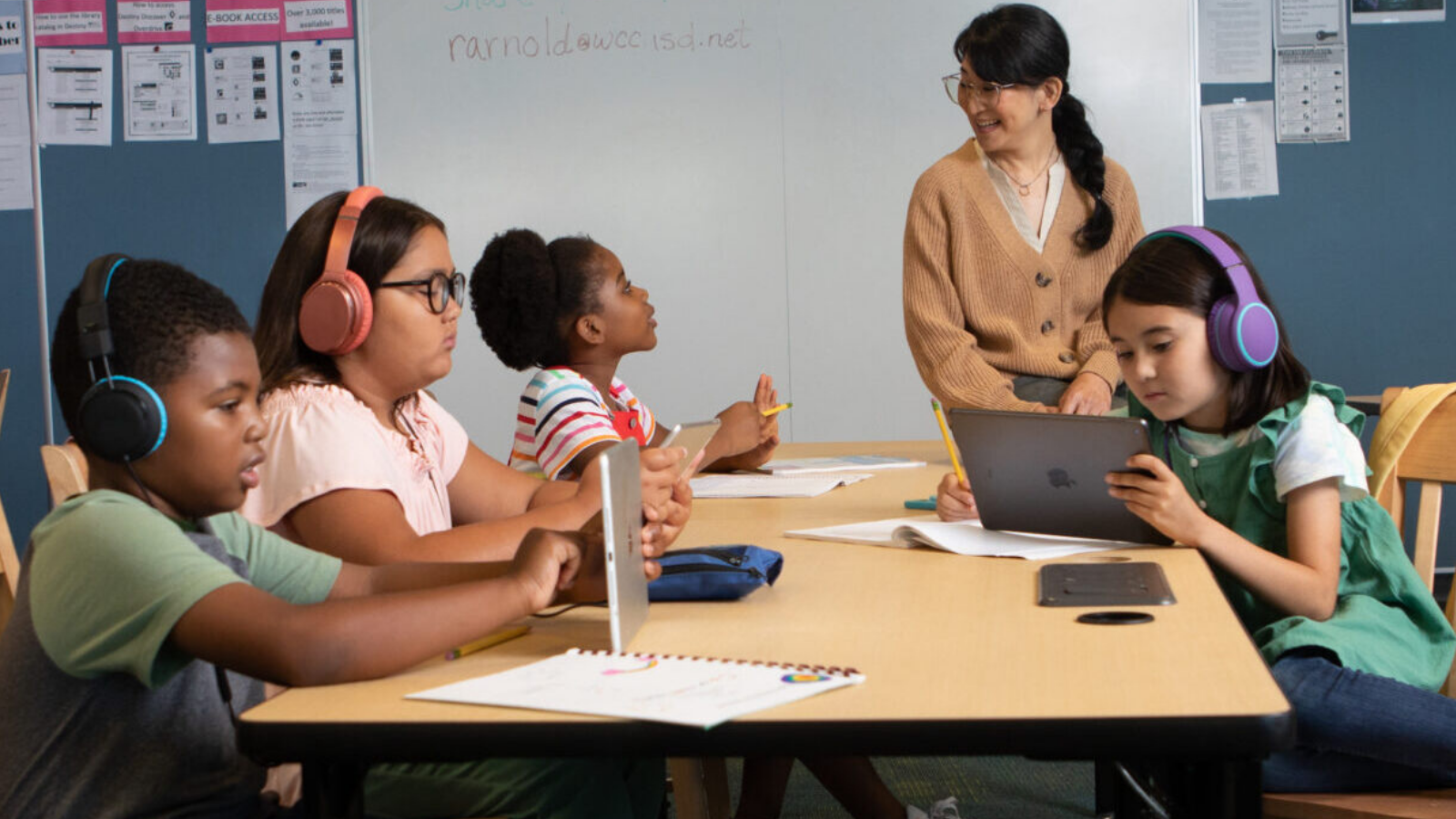
In the lead up to GLR Week 2025, CGLR hosted the Technology-Enhanced Teaching and Learning (EdTech) Institute to examine this “big bet” approach in assuring equitable academic recovery from pandemic- precipitated learning loss. This month-long series of GLR Learning Tuesdays sessions explored what emerging research is saying — and what families, educators, and community leaders are seeing on the ground — in terms of how AI and other technology tools are supporting learning in the classroom, at home, and across communities; efforts to expand digital connectivity to ensure equitable access to the benefits of education technology; and how to establish the necessary guardrails and guide children toward a
future where technology uplifts — not replaces — relationships, learning, and joy. Over the course of six sessions, the EdTech Institute engaged nearly 700 individuals for a total attendance of more than 1,280 as many individuals returned for multiple sessions across the series.
The EdTech Institute sessions included:
- AI Basics: From Definitions to Deployment — The session emphasized the importance of maintaining a values-driven approach to AI, ensuring that technology supports, rather than defines, the learning experience.
- Smart Start: Leveraging Technology to Detect and Support Learning Differences Early — Co-sponsored by the Emily Hall Tremaine Foundation, this session reviewed the advances in assistive technology and how the post-pandemic investment and recent developments in technology are being researched and deployed specifically to support students with learning differences, and how these tech tools are leading to improved and updated instruction.
- Designing for Connection: How Technology Can Power Learning in Homes and Communities — This session emphasized how technology can create the conditions for learning to thrive in the home by helping parents build the confidence, capacity, and bandwidth to engage in their children’s learning and by enhancing communication, trust, and alignment between families and their children’s educators.
- From Skepticism to Enthusiasm: AI and Emerging Technology’s Role in Rebuilding Teaching and Learning — This webinar engaged school and district leaders in an exploration of how AI and other emerging technologies can revolutionize teaching and learning while fostering what Digital Promise calls “powerful learning” experiences that cultivate agency, purpose, curiosity, and connection.
- Technology Enhanced Tutoring: High Impact + High Tech = Big Gains — This session investigated the ways in which AI and technology can expand access to and maximize the quality of both virtual and in-person tutoring through a unique combination of high-tech and high-touch supports.
- Guardrails & Guidelines on Tech for Well-Being & Literacy Development – The EdTech Institute culminated in a session hosted on the opening day of GLR Week 2025 and engaged 13 leaders of child development, education, and technology in a discussion of the need for thoughtful, child-centered approaches to technology use that recognizes both the promise of innovation and the urgency of ensuring safety, equity, and developmental appropriateness.
The EdTech Institute emphasized that when thoughtfully applied, educational technology can be a bridge rather than a barrier, extending learning opportunities beyond the classroom and into everyday spaces. CGLR plans to continue exploring this topic and opportunities for leveraging the potential of technology to close long-standing opportunity and achievement gaps while also establishing the guardrails and guidelines necessary to enhance children’s well-being.
Early childhood people know: We don’t need to replace the village. We need to support it.
–Gabe Hakim, Promise Venture Studio